จะใช้บริการทำความสะอาดหรือทำความสะอาดเองดี?จะใช้บริการทำความสะอาดหรือทำความสะอาดเองดี?
การเลือกจ้างบริการทำความสะอาดหรือทำความสะอาดด้วยตนเองเป็นสิ่งที่คนแต่ละคนต้องพิจารณาในแต่ละสถานการณ์และความต้องการของตนเอง
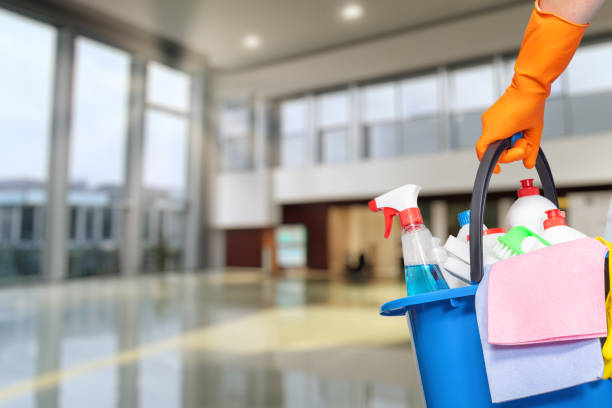
การเลือกจ้างบริการทำความสะอาดหรือทำความสะอาดด้วยตนเองเป็นสิ่งที่คนแต่ละคนต้องพิจารณาในแต่ละสถานการณ์และความต้องการของตนเอง
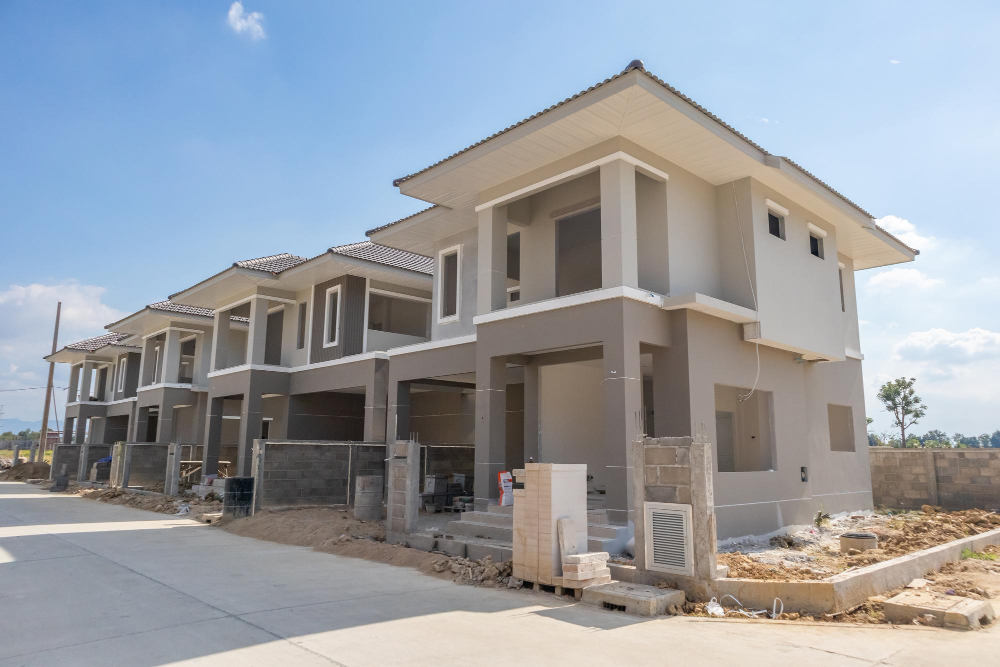
บริษัทสร้างบ้านที่ทำให้คนมาใช้บริการได้นั้น นอกจากคุณภาพการให้บริการและความน่าเชื่อถือ ยังมีเรื่องของราคาบริษัทรับสร้างบ้านที่คนส่วนมากพิจารณาเป็นอันดับต้น ๆ
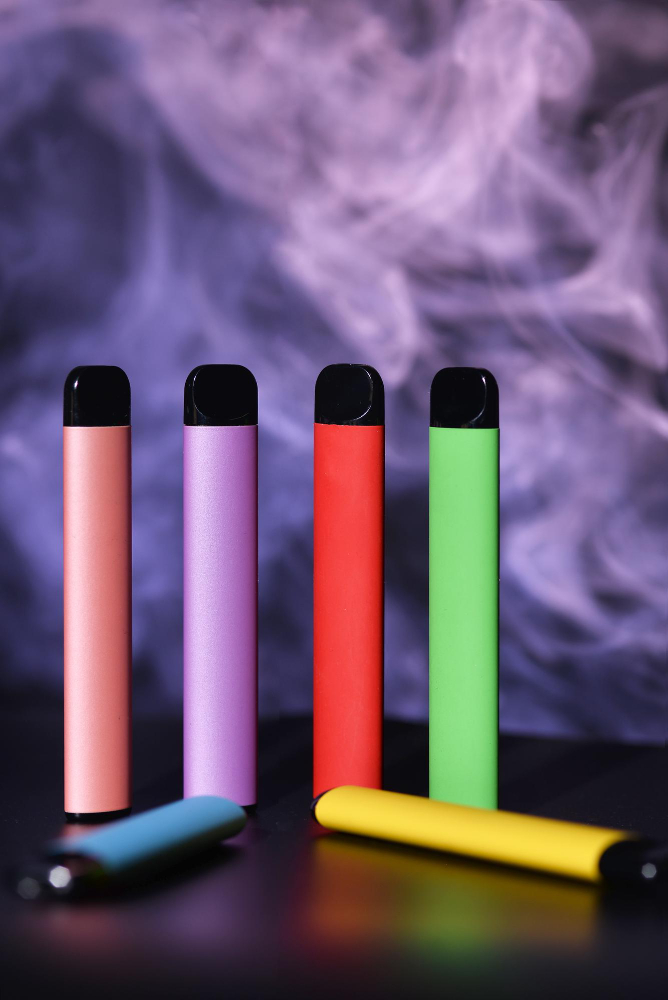
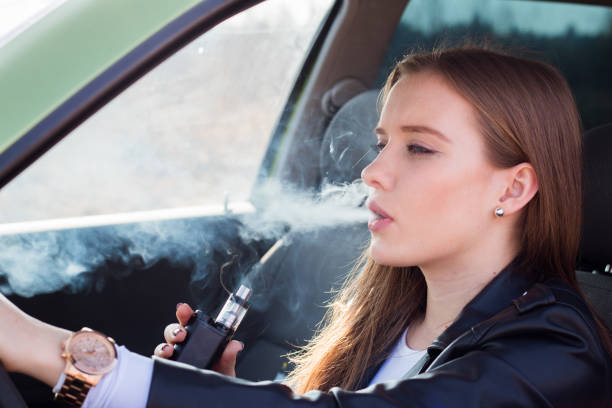
ทุกท่านสามารถทำการสั่งน้ำยาบุหรี่ไฟฟ้ากับทางเว็บไซต์จำหน่ายบุหรี่ไฟฟ้าทุกชนิดได้อย่างครบวงจร ซึ่งทุกท่านสามารถไว้วางใจกับทางเว็บไซต์ได้เลย เพราะทางเว็บเป็นเว็บที่มีความน่าเชื่อถือ มีประสบการณ์มาเป็นระยะเวลายาวนาน มีเครดิตหน้าร้านที่สามารถทำการตรวจเช็กได้
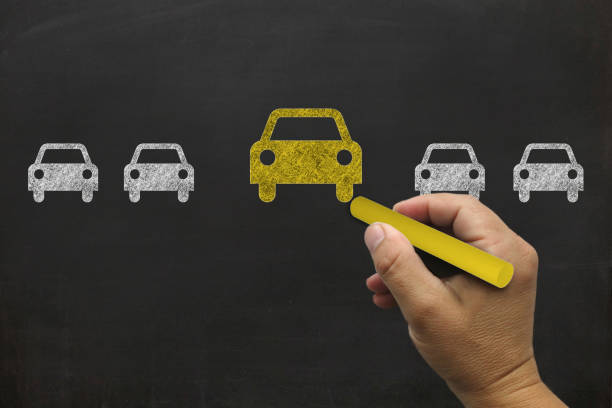
สำหรับผู้ขับขี่รถยนต์ในปัจจุบันนี้แน่นอนว่าคุณแบกรับความเสี่ยงในชีวิตและทรัพย์สินของตัวเองและคนที่คุณรักในระหว่างการใช้ชีวิตบนท้องถนนและในวันนี้หากคุณต้องการเพิ่มเกราะป้องกันในการใช้ชีวิตให้กับตัวผู้ขับขี่เองและคนที่คุณรักได้มากขึ้นเรื่องซื้อประกันรถ ติดไว้จะช่วยทำให้คุณไม่ต้องกังวลในอุบัติเหตุหรือเหตุการณ์ไม่คาดฝันที่อาจจะเกิดขึ้นเลย แม้ว่าอุบัติเหตุหรือเหตุการณ์ไม่คาดฝันต่างๆเหล่านี้จะเป็นเรื่องที่คาดเดาไม่ได้แต่การที่คุณเลือกซื้อประกันรถ ติดไว้จะช่วยทำให้คุณมีตัวช่วยเพิ่มเติมไม่ว่าจะเป็นตัวช่วยในการลดค่าใช้จ่ายหากเกิดอุบัติเหตุขึ้นมาตามเงื่อนไขกรมธรรม์ประกันที่คุณได้เลือกซื้อไว้ซึ่งในปัจจุบันนี้ก็มีหลากหลายรูปแบบประกันรถ ให้คุณได้เลือกซื้อหากคุณสนใจที่จะเลือกซื้อความคุ้มครองกรมธรรม์ประกันรถ เหล่านี้ลองเข้ามาทำความรู้จักและเรื่องซื้อที่เว็บ mrkumka ของเราได้เลยเรามีหลากหลายรูปแบบกรมธรรม์ให้คุณได้ลองเข้าไปทำความรู้จักเพื่อหารูปแบบกรมธรรม์ที่เหมาะสมกับความต้องการของตัวผู้เอาประกันเองมากที่สุด ความคุ้มครองประกันรถ ที่น่าสนใจ ถึงแม้การเลือกซื้อความคุ้มครองประกันรถ ในปัจจุบันนี้จะเป็นเรื่องง่าย แต่ถ้าคุณเลือกซื้อกับแหล่งที่เชื่อถือไม่ได้ก็จะทำให้คุณได้รับรูปแบบความคุ้มครองที่ไม่ครอบคลุมหรือได้รับการบริการที่ไม่ดีพอดังนั้นดูวันนี้ก่อนที่คุณจะเข้าไปเลือกซื้อประกันรถ กับที่ไหนน้องเข้ามาทำความรู้จักกับเว็บ mrkumka ของเราก่อนและเป็นอีกหนึ่งเว็บที่เปิดให้บริการเกี่ยวกับประกันรถออนไลน์ที่คุณสามารถเข้ามาเลือกซื้อรูปแบบความคุ้มครองได้เองตลอด 24 ชั่วโมงหรือเข้ามาสอบถามรายละเอียดกับแต่ละรูปแบบประกันภัยที่เรามีทีมงานคอยให้คำแนะนำคอยให้ความช่วยเหลือในทุกขั้นตอนการเลือกซื้อประกันรถ ที่คุณต้องการ อย่างที่ทราบกันดีว่ารูปแบบประกันรถ บนเว็บรู้จักของเรามีความหลากหลายและเชื่อถือได้ไม่ว่าจะเป็นประกันชั้น 1 ประกันชั้น 2 หรือประกันชั้น 3 ซึ่งแต่ละรูปแบบประกันทั้งก่อนและหลังการขายเราพร้อมให้บริการและความช่วยเหลือในทุกๆขั้นตอนเพื่อที่จะช่วยให้ผู้เอาประกันได้รับประโยชน์สูงสุดในการเลือกซื้อความคุ้มครองที่เหมาะสมกับการใช้งานเหมาะสมกับรถยนต์ของตัวผู้เอาประกันเองโดยรูปแบบความคุ้มครองแต่ละประเภทนั้นแตกต่างกันออกไปตามราคาเบี้ยประกันรถ ยิ่งราคาเบี้ยประกันแพงความคุ้มครองที่ผู้เอาประกันจะได้รับก็จะส่งตามไปด้วยเลิกงานยังวันนี้ก่อนที่คุณจะเข้าไปเลือกซื้อรูปแบบความคุ้มครองประกันประเภทใดเข้ามาทำความรู้จักกับเงื่อนไขการเลือกซื้อข้อยกเว้นความคุ้มครองรวมถึงรายละเอียดการเลือกซื้อและบริการเปรียบเทียบราคาเบี้ยประกันที่ทำให้คุณจ่ายค่าเบี้ยประกันได้ถูกลงเมื่อเข้ามาซื้อที่เว็บ mrkumka ของเรา
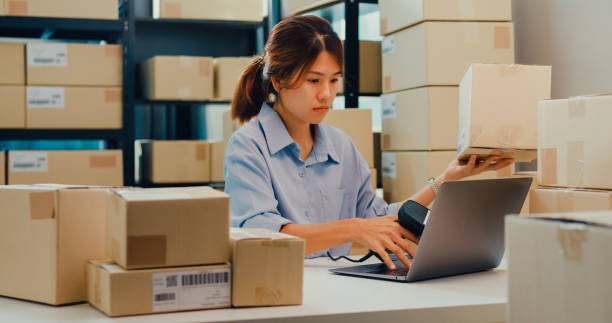
คำว่าของพรีเมี่ยมในความคิดของคุณเป็นแบบไหนเลือกบริษัทรับผลิตสินค้าพรีเมี่ยมที่ไหน Premium Product หรือของพรีเมี่ยม คนทั่วไปมักเข้าใจว่าของพรีเมี่ยมหรือสินค้าพรีเมี่ยมนั้นเป็นของที่ดูหรูหราราคาแพงมีคุณภาพสูงหรือเป็นของที่มีคุณค่ามากๆ แต่ในความเป็นจริงนั้นไม่ใช่คำตอบที่ถูกต้องทั้งหมดเพราะในมุมมองของนักการตลาดหมายถึงสินค้าที่ใช้เพื่อส่งเสริมการขายใช้แจกจ่ายให้ลูกค้าใช้เป็นของขวัญ ของแจก ของแถม ของชำร่วย แจกจ่ายในวันพิเศษหรือวันสำคัญต่างๆ เช่น วันปีใหม่ วันตรุษจีน วันวาเลนไทน์ เป็นของที่ระลึกงานเกษียณ ของที่ระลึกงานศพ งานบวช งานแต่งงานหรือสินค้าจัดโปรโมชั่น ฯลฯ ของพรีเมี่ยมมีกี่ประเภท จากที่เราได้กล่าวในข้างต้นคงทำให้คุณเข้าใจมากขึ้นเกี่ยวกับคำว่าของพรีเมี่ยม ซึ่งของพรีเมี่ยมนั้นแบ่งออกเป็น 2 ประเภทคือของพรีเมี่ยมคุณภาพดี ราคาแพงและของพรีเมียมราคาถูก ในกลุ่มของพรีเมี่ยมที่มีคุณภาพดีนั้นราคามักแพงเป็นของที่มีคุณค่าทางด้านจิตใจ อาจใช้วัสดุคุณภาพดีในการผลิตและมีเอกลักษณ์เฉพาะตัวผู้รับอยากได้ไปครอบครอง ส่วนของพรีเมียมราคาถูกอาจเป็นเพียงสิ่งของเครื่องใช้ในชีวิตประจำวันทั่วไป ไม่ได้เป็นของที่มีคุณค่าด้านจิตใจ ของพรีเมี่ยมในกลุ่มนี้มักจะนำไปใช้เป็นของขวัญ

ปฏิเสธไม่ได้เลยว่าการทำของพรีเมียมเป็นการประชาสัมพันธ์แบรนด์ได้อย่างน่าอัศจรรย์ ซึ่งการประชาสัมพันธ์แบรนด์ที่ดีที่สุด และประหยัดมากที่สุดก็คงจะหนีไปไม่พ้นการจ้างบริษัทผลิตของแจกนั่นเอง อย่างไรก็ดีหากว่าคุณเป็นอีกคนหนึ่งที่กำลังพิจารณาผู้รับทำของพรีเมียมอยู่ ขอแนะนำเลยว่าให้พิจารณาโดยใช้หลักการดังต่อไปนี้ 1.มีบริการจัดส่งฟรี การมีบริการจัดส่งฟรีคือสิ่งที่ผู้ประกอบการทุกคนควรพิจารณาผู้รับทําของพรีเมี่ยมให้ถ่องแท้ เพราะในความเป็นจริงแล้วนั้นการสั่งผลิตของพรีเมียม อย่างต่ำๆ ต้องมีตั้งแต่ 100 ชิ้นไปจนถึง 200 ชิ้นเลยก็ว่าได้ หากว่าคุณต้องการเลือกแบบที่มีบริการจัดส่งฟรี จะช่วยลดปัญหาค่าใช้จ่ายในการส่งได้อย่างง่ายดาย และไม่ต้องกังวลอีกด้วยว่าของพรีเมียมจะชำรุดในระหว่างการจัดส่ง เนื่องจากผู้รับผลิตของพรีเมียมมีประสบการณ์ในการแพ็คสินค้าส่งมาแล้วด้วยกันทั้งสิ้น 2.มีบริการห่อแพคเกจให้ การห่อแพคเกจให้สวยงาม น่าใช้งานถือเป็นสิ่งที่สำคัญอย่างยิ่ง ดังนั้น จะดีกว่าหรือไม่หากว่าคุณจะเลือกผู้รับทําของพรีเมี่ยมแบบที่มีบริการห่อแพคเกจมาด้วย เช่น หากว่าเป็นแก้วเยติก็อาจมีถุงพลาสติกใสหุ้มมาอีกหนึ่งชั้น จากนั้นก็จะมีการห่อริบบิ้นหรือสกรีนโลโก้ลงไปบนกระดาษแล้วแปะเป็นสติกเกอร์ที่ห่อ เพื่อโปรโมตแบรนด์ครั้งที่หนึ่งให้ลูกค้าได้เห็น และทำให้แบรนด์ติดอยู่ในใจของลูกค้าอีกด้วย 3.มีสินค้าให้เลือกหลายแบบ การมีสินค้าให้เลือกหลายต่อหลายแบบ
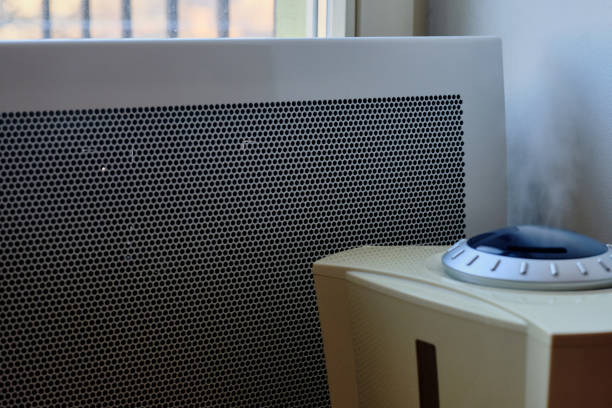
บ้านเรามีความชื้นสัมพัทธ์ที่สูงมากโดยเฉพาะช่วงหน้าฝนจะมีค่าความชื้นสัมพัทธ์โดยเฉลี่ยแล้วอยู่ที่ 75-85% ซึ่งเป็นค่าที่สูงมากอาจจะก่ออันตรายต่อร่างกายของเรา ซึ่งความชื้นสัมพัทธ์แบบปกติจะอยู่ที่ 60-70% เพราะความชื้นหากสูงมากเกินไปก็จะก่อให้เกิดเชื้อโรคชนิดต่างๆรวมถึงผู้ที่มีโรคประจำตัวเกี่ยวกับระบบทางเดินหายใจ เกิดอาการแพ้หรือไม่สบายตัวได้ นอกจากนี้ในระบบโรงงานอุตสาหกรรมหากความชื้นสูงมากกว่าปกติจะมีผลเสียต่อเครื่องจักร และอุปกรณ์อิเล็กทรอนิกส์ได้ด้วยเช่นกัน จึงจำเป็นต้องนึกถึง เครื่องดูดความชื้นอุตสาหกรรมราคาที่น่าซื้อ จากแบรนด์ ORION มาช่วยในการแก้ปัญหาดูดความชื้นและกำจัดความชื้น ให้หมดไป เครื่องดูดความชื้นอุตสาหกรรมจากแบรนด์ ORION ได้ออกแบบและผลิตขึ้นมาเพื่อรองรับการใช้งานอยู่ทั้งหมด 2 รูปแบบด้วยกันนั่นก็คือ เครื่องดูดความชื้นอุตสาหกรรม ประเภทการติดตั้งแบบถาวร (Dehumidifiers of Stationary type) เครื่องดูดความชื้นประเภทนี้ถูกออกแบบมาเพื่อให้มีการติดตั้งแบบถาวรซึ่งมีขนาดใหญ่ และสามารถทำการปรับสภาพของอากาศลดความชื้นได้มากยิ่งขึ้น ทำงานได้อย่างรวดเร็ว สามารถทำงานได้อย่างเต็มประสิทธิภาพมากกว่า
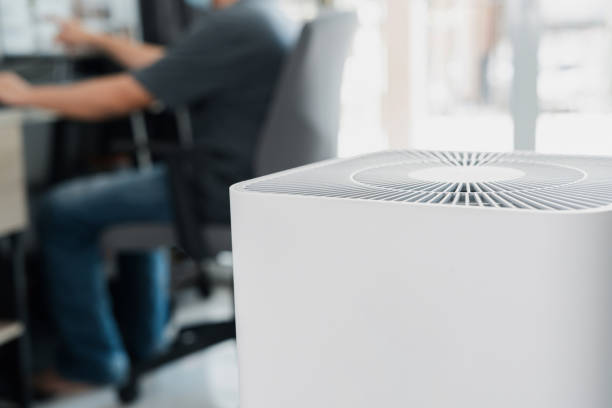
โดยปกติแล้วร่างกายของเรามักจะต้องการอากาศที่บริสุทธิ์ เพราะเมื่อเราหายใจเอาอากาศเข้าไปแล้ว จะเป็นกระบวนการทำให้เลือดส่งออกซิเจนเข้าไปให้อวัยวะภายในร่างกาย ให้ร่างกายสามารถทำงานได้อย่างปกติ ดังนั้นหากเราเอาอากาศที่ไม่บริสุทธิ์หรืออากาศที่เป็นมลพิษเข้าไปในร่างกาย จะทำให้ส่งผลกระทบต่อร่างกายในระยะยาวได้ และยิ่งคนที่อยู่ในเมืองที่มีการจราจรคับคั่ง มีโรงงานอุตสาหกรรมอย่างมากมาย เครื่อง ฟอก อากาศจะเป็นไอเทมที่สำคัญเป็นอย่างมาก เพราะเครื่องฟอกอากาศจะมาช่วยฟอกอากาศภายในบ้านหรือภายในรถยนต์ ให้มีอากาศที่บริสุทธิ์ เครื่อง ฟอก อากาศคืออะไร? สำหรับใครที่ยังไม่รู้จักกับเครื่องฟอกอากาศนั้น เครื่องฟอกอากาศจะเป็นเครื่องใช้ไฟฟ้าที่มีคุณสมบัติในการกำจัดสิ่งแปลกปลอมในอากาศ ทั้งฝุ่นละออง แบคทีเรีย ไวรัส ฝุ่น รวมทั้งสารปนเปื้อนต่าง ๆ ด้วยเช่นกัน ที่จะมีอนุภาคเล็กจนไม่สามารถมองเห็นได้ด้วยตาเปล่า รวมทั้งยังสามารถช่วยกำจัดกลิ่นไม่พึงประสงค์ อย่างเช่น กลิ่นอาหาร กลิ่นอับ
ปัจจุบันโรคภูมิแพ้พบมากขึ้นทั่วโลก รวมทั้งในประเทศไทยมีอุบัติการณ์ของโรคภูมิแพ้มากขึ้น 3-4 เท่า เมื่อเทียบกับเมื่อ10 ปีก่อน เนื่องจากประชากรที่มีจำนวนเพิ่มมากขึ้น โดยอาศัยอยู่อย่างแออัด มลภาวะฝุ่นละอองในอากาศที่เพิ่มมากขึ้นทุกปี สิ่งต่างๆ เหล่านี้ล้วนเป็นสารก่อภูมิแพ้ที่เราสูดหรือสัมผัสเข้าสู่ร่างกายตลอดเวลายิ่งกระตุ้นให้ร่างกายเกิดอาการแพ้ขึ้น สาเหตุส่วนใหญ่ของการเกิดโรคภูมิแพ้ การถ่ายทอดทางพันธุกรรม ถ้าพ่อแม่มีประวัติเป็นโรคภูมิแพ้ ลูก ๆ ก็จะมีโอกาสเป็นภูมิแพ้ได้เช่นกัน โดยที่ ถ้าคุณพ่อเป็นภูมิแพ้ ลูกมีโอกาสเป็นโรคภูมิแพ้ 30% ถ้าคุณแม่เป็นภูมิแพ้ ลูกมีโอกาสเป็นโรคภูมิแพ้ 50% ถ้าทั้งคุณพ่อและคุณแม่เป็นภูมิแพ้ ลูกมีโอกาสเป็นโรคภูมิแพ้ถึง 70-75% สภาวะแวดล้อมโดยเฉพาะสภาวะมลพิษทางอากาศ มีความไวต่อการกระตุ้นมากผิดปกติทั้งสารก่อภูมิแพ้ และสารที่ไม่ใช่สารก่อภูมิแพ้
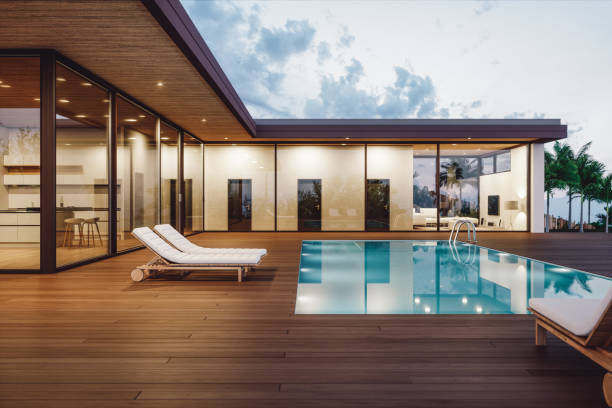
อาจจะกล่าวได้ว่าหากคุณเป็นอีกคนหนึ่งที่ต้องการสร้างโรงแรม คงกำลังสงสัยอยู่ใช่หรือไม่ว่าจะเริ่มอย่างไรดี เพราะการสร้างโรงแรมเป็นการเริ่มต้นธุรกิจที่ใหญ่มากพอสมควร คนที่อยากเริ่มต้นธุรกิจสายนี้ควรหาความรู้ตั้งแต่ต้นจนจบ และความรู้เกี่ยวกับการก่อสร้างโรงแรมนั้นมีอะไรบ้าง มาดูพร้อมๆ กันเลย 1.ที่ดินมีพร้อมหรือไม่ สำหรับสิ่งแรกที่จำเป็นต้องรู้ก็คือ ที่ดินสำหรับการทำโรงแรมนั้นมีพร้อมหรือไม่ อย่างไร หากว่าที่ดินมีพร้อมแล้ว ก็อาจจะทำการปรับที่ดินและโครงสร้างต่างๆ เพื่อให้เกิดความพร้อมในการทำโรงแรมในลำดับถัดไปนั่นเอง อย่างไรก็ดี สำหรับกรณีที่ที่ดินของคุณยังไม่พร้อม หรือว่าต้องการมองหาที่ดินในทำเลที่คุณปรารถนา ก็อาจจะต้องติดต่อนายหน้าเพื่อหาที่ดินในลำดับถัดไปจะดีกว่า 2.สถานที่ในการก่อสร้าง สำหรับเรื่องของสถานที่ในการก่อสร้างนั้นก็คือสิ่งที่สำคัญและจำเป็นอย่างมาก โดยบางคนมีจุดมุ่งหมายปลายทางในการทำโรงแรมอยู่แล้ว เช่นมีที่ดินบริเวณภูเขา หรือว่ามีที่ดินริมทะเล แล้วต้องการนำมาปรับปรุงเพื่อสร้างรายได้ หรือในบางกรณีที่ตนเองไม่ได้มีที่ดินก็ยังสามารถมองหาสถานที่ในการก่อสร้าง โดยควรสืบหาราคาซื้อขายของปัจจุบันเสียก่อนนั่นเอง 3.สไตล์ของโรงแรม รีสอร์ท ปัจจุบันนี้การจะทำโรงแรมไม่ได้ขึ้นอยู่กับความสะดวกสบาย หรูหรา